
About the game
Erumaru is a single-player PvE auto chess roguelite for PC, set in a post-apocalyptic world forty years after its man-made sun went out. Pure 2D, built in Godot 4.6 with C#. Everything below comes from the design documents of the game
The game in one paragraph
Forty years ago the man-made sun Eru went dark over the world of Erumaru, and the Haze crept over the land: dead light that drains colour and will from everything alive. You are the Lanternkeeper. You carry the Lantern where the afterglows of fallen heroes live, and you lead a squad up the Spire floor after floor, towards the Lamp Room where the Empty Mirror waits. Every floor is a fight, and before some of them the climb stops at a bazaar, a workbench or an event. Between fights you buy and merge heroes, assemble items from components, move perks around and choose relics. The fight itself runs automatically: up to 10 heroes against up to 10 mobs on an 11 by 11 board. Heroes grow to level 100 like in Dota, abilities gain ranks, and every hero has its own mechanic and a look you recognise at a glance. A lost run does not reset everything: the Lantern gains levels and remembers new items, perks, relics, lands and modes
Six pillars
- Every hero is special
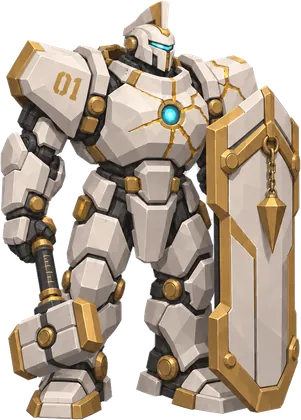
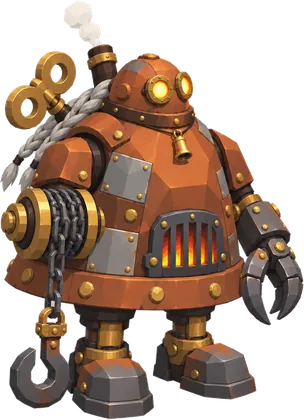
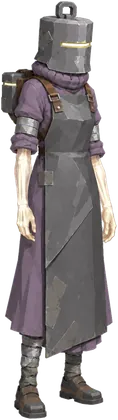
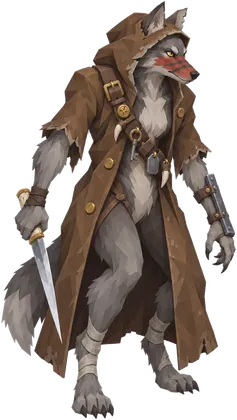
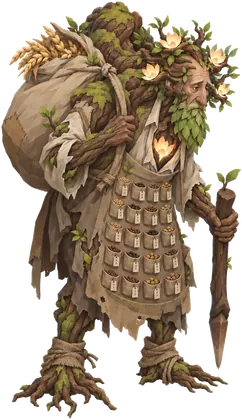
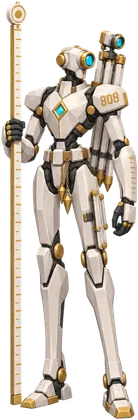
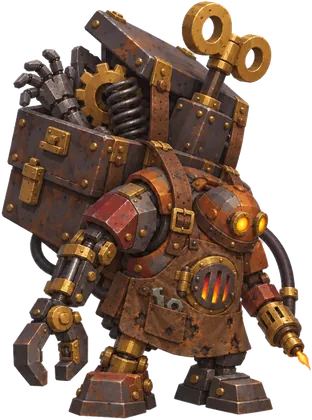
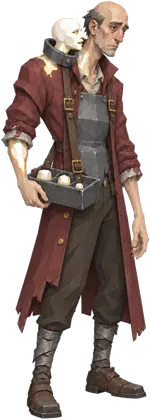
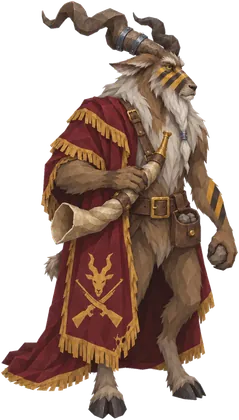
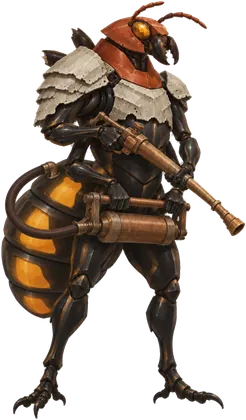
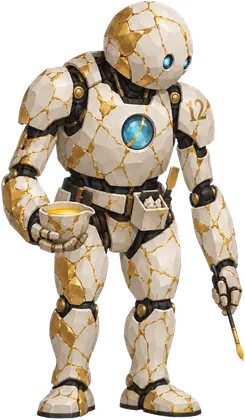
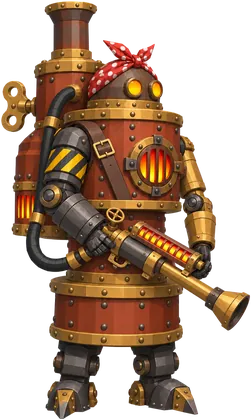
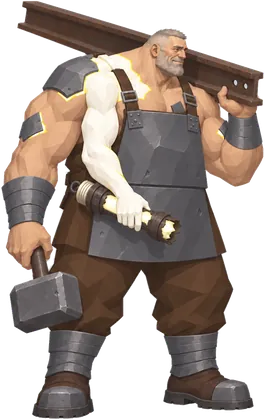
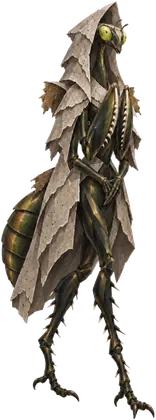
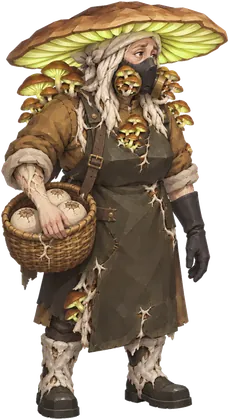
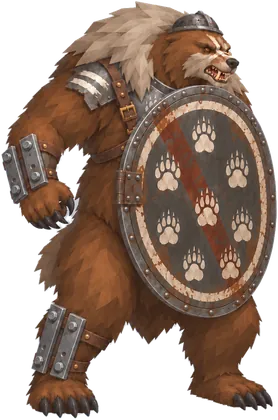
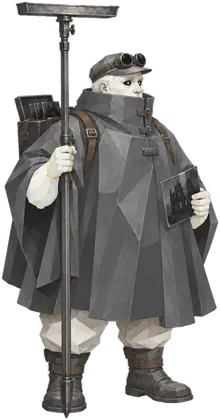
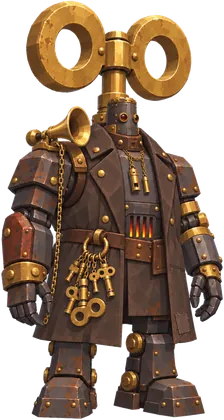
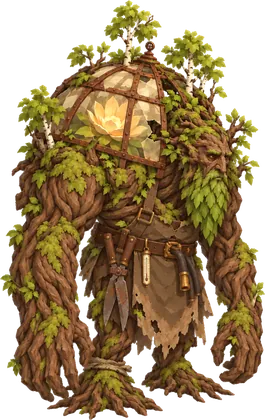
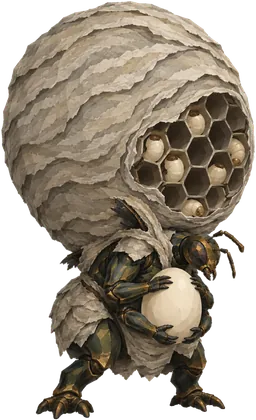
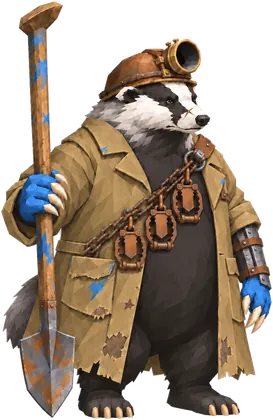
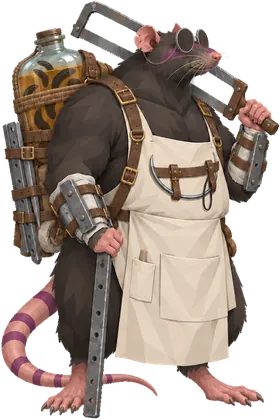
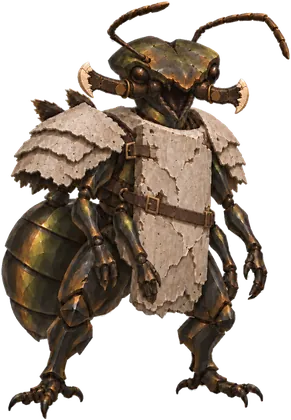
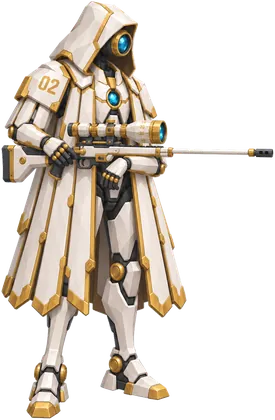
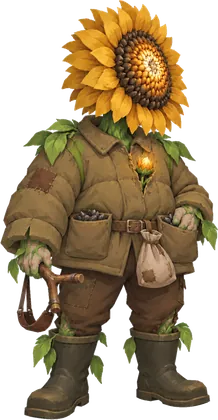
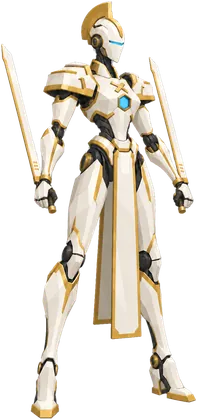
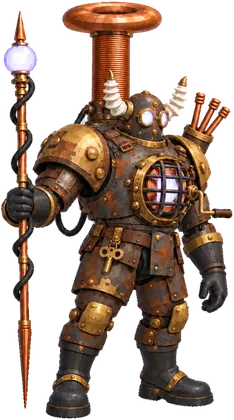
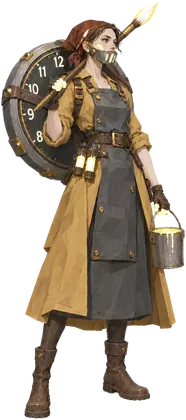
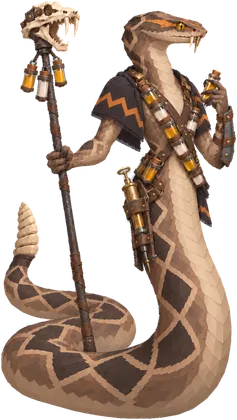
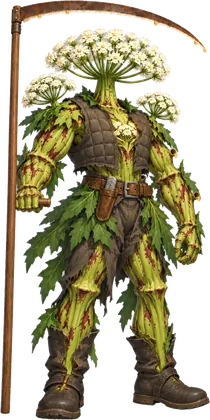
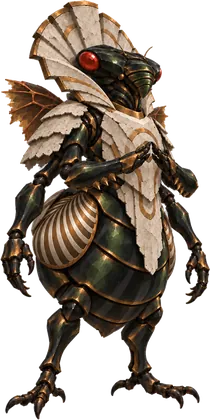
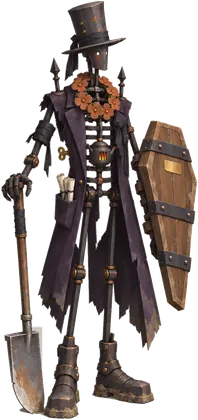
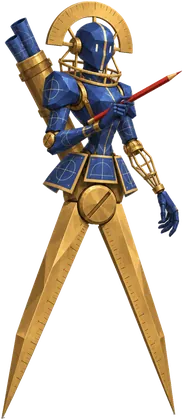
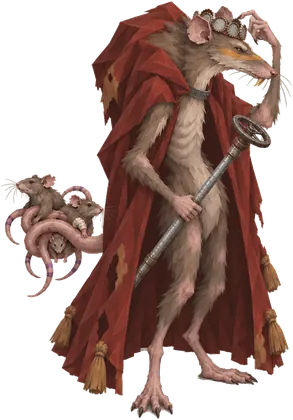
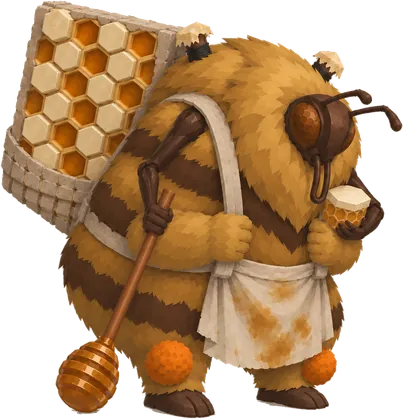
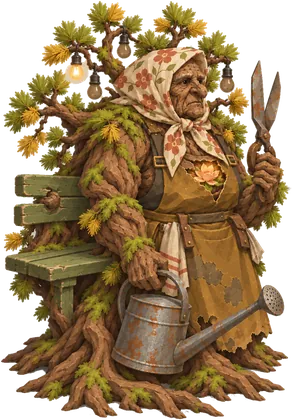
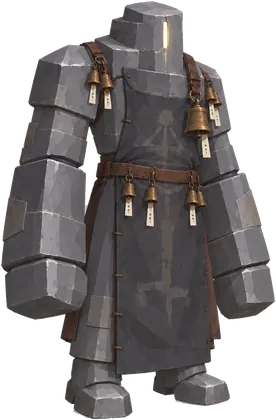
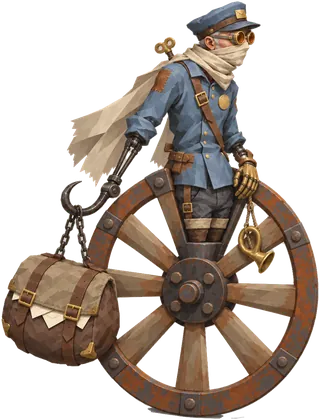
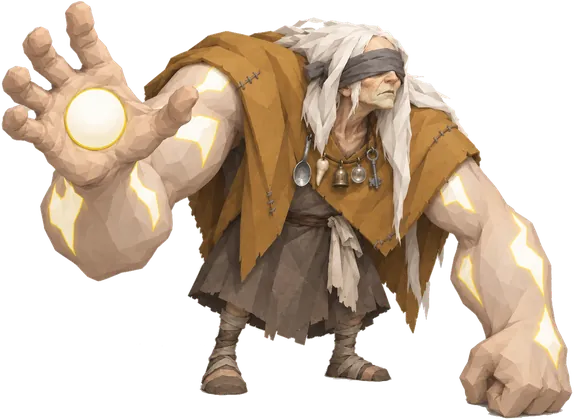
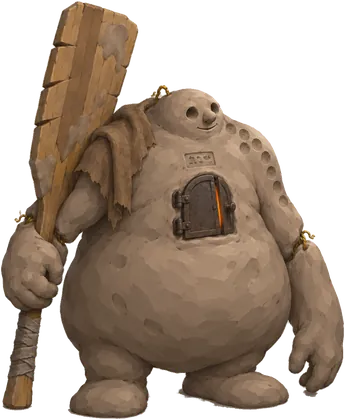
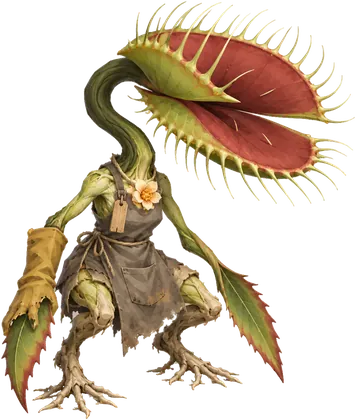
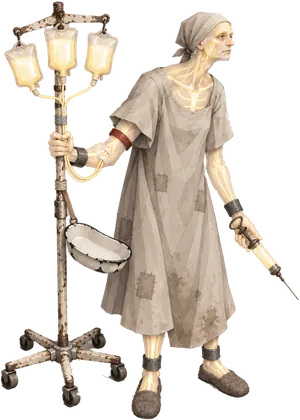
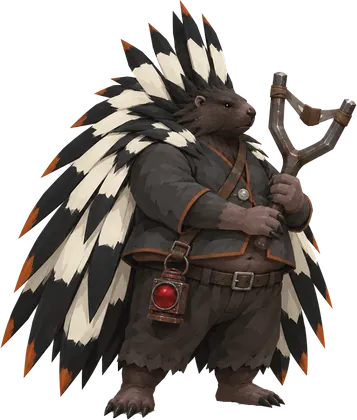
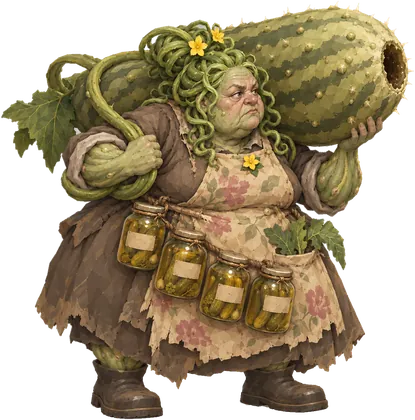
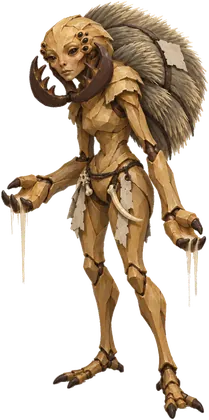
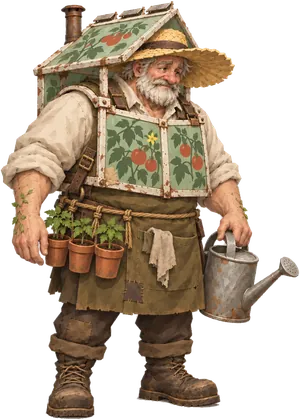
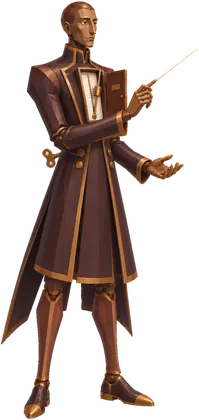
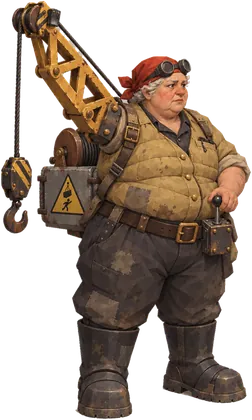
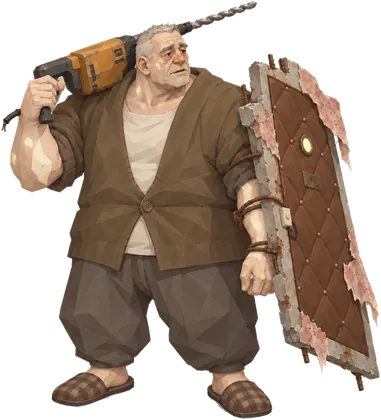
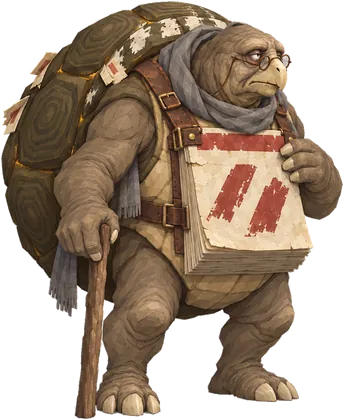
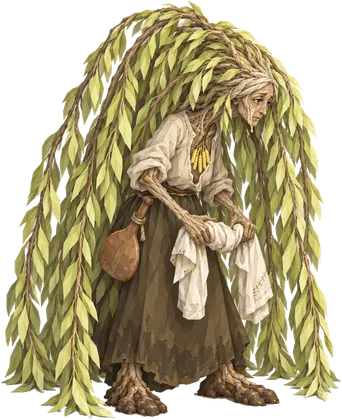
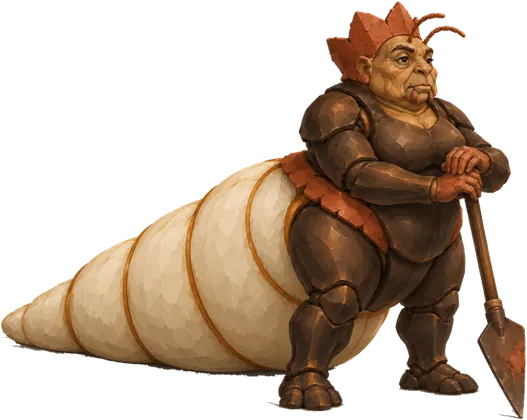
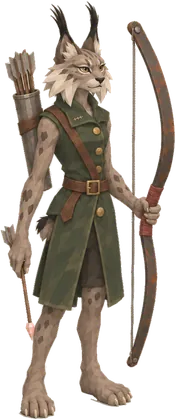
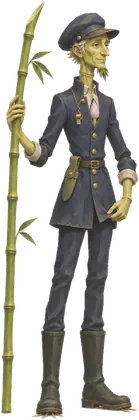
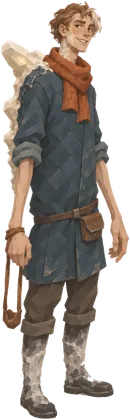
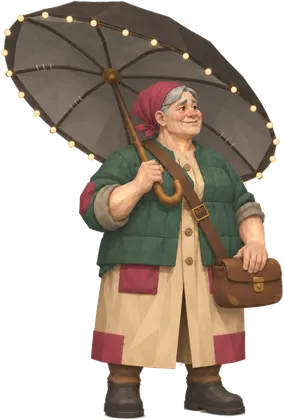
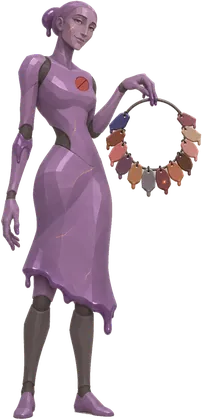
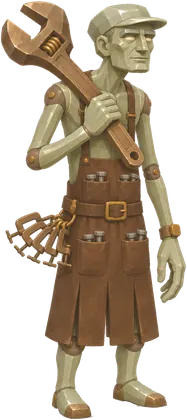
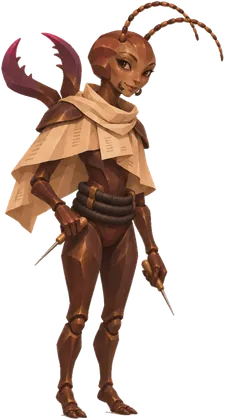
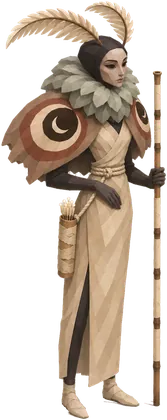
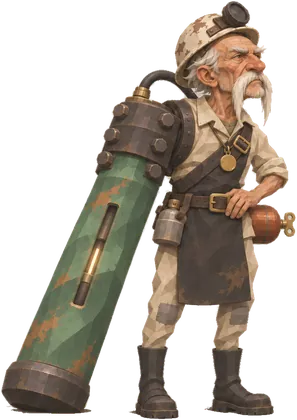
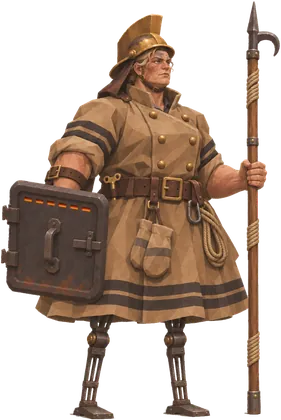
Every hero has a mechanic you cannot confuse with its neighbour: a trait, one or two abilities and an Awakening at level 100. The people sets the theme, the calling sets the role. And visually every hero is a MOBA-style silhouette: one bright shape, one main detail, one colour, readable from a camera high above the board
- Nothing goes to waste
Components become items, items are woken by sparks of Eru, identical perks merge into a higher rank, spare hero copies become experience. In a world where everything is broken, every bolt gets fixed and put to use
- Decisions over reflexes
Placement, synergies, the order of upgrades and the economy. A fight can be watched at normal speed or skipped, the result does not change
- A fair fight
The simulation is deterministic: a fight with the same seed always plays out the same way. Everything a tooltip says works exactly as written
- A long road
Meta progression for 50 or more hours: 50 Lantern levels, 20 steps of Thickening, the Descent into the Inferno, an archive with the lore
- Colour against grey
Ruins, sky and mobs under the Haze are washed out; heroes and peoples hold on to their colour. Every victory gives the land a little colour back, and you see it on the board
The run
- An endless climb up the Spire: you start at the Outpost on the board of the first floor and go up floor after floor. Every floor is a fight, and the climb saves between fights
- Every floor gets a random board from 39 lands of different themes, never the same one twice in a row. The mobs come from the land of the board, and boards of other themes bring the mobs of the land whose boss ends these ten floors
- Every fifth floor holds a guardian and every tenth a boss. The bosses of floors 10, 20 and 30 come from the lands of their ten, and after every boss you choose a Gift of the Outpost
- Before the fight of a floor the climb may stop on the same board: the Bazaar, the Workbench, the Chapel, the Cache, a Signal, a Rest once in every ten floors, or one of 28 text events with choices. An elite turns the fight of the floor into a harder one with better loot
- Economy on salt: 12 at the start, then every floor cleared pays 5 for an ordinary fight, 6 for an elite, 7 for a guardian and 8 for a boss. Interest of 1 per 10 saved, up to 3. The shop shows 5 heroes, a refresh costs 2, freezing is free
- Reach decides how many heroes fit on the board, from 3 to 10, and which ranks the shop can roll
- Nobody hands you a choice of three heroes: the first hero of the climb, every Signal, Gift and event calls one random hero who joins on their own. The rest you hire in the shop
- The first lost fight ends the climb. There are no lives to spend, and the menu remembers your best floor
- Floors 38 to 40 are the Lamp Room: the Keymasters, the Voice of the Mirror and the Empty Mirror with three phases, a fourth on Thickening 20. The Mirror copies the strongest ability of your squad. Past floor 40 the Descent goes on with a new Mutation every ten floors, and a defeat there still ends the climb as a victory
Heroes
- Six peoples and ten callings, every hero belongs to one of each. The roster is being reworked and new heroes arrive one at a time. Ranks I to IV, the price in salt equals the rank
- Three attributes as in Dota: Strength, Agility and Intelligence. Health, attack, attack speed, armour and spell power derive from them
- Levels 1 to 100 during a run. Ability 1 gains ranks at levels 20, 40, 60 and 80, ability 2 opens at 30, the Awakening at 100 adds an effect to the hero's trait
- Stars: three copies make two stars, three two-star copies make three stars. A copy of a three-star hero becomes three levels
- Six item slots and four perk slots per hero. Items and perks can be moved between fights
- Ten callings: Warlock, Warrior, Assassin, Mage, Engineer, Shaman, Healer, Summoner, Ranger, Guardian
Items, perks and relics
- 100 items: 10 components, any two different components combine into one of 45 items and two identical ones into one of 10 reinforced items. A spark of Eru wakes 25 of them into legendaries. 10 artifacts drop from bosses, each with a price
- 90 perks with three ranks: 40 common, 26 rare, 14 epic, 10 legendary. Two copies merge into the next rank
- 86 relics for the whole squad: 23 common, 20 rare, 15 epic, 8 legendary, 10 cursed and 10 boss relics. They change the economy, synergies, stats, combat rules and the climb
The world
Two hundred and fifty years ago the ten lands of Erumaru welded their lamps into one man-made sun, Eru, and raised it over the Spire on the Hub plateau. Its light ran along light lines into every land, held the union of the lands, the Lightgrid, and locked the well of raw light under the Hub, the Inferno
The Keeper of Eru, now called the Empty Mirror, tried to take all the light for himself. Eru cracked and went dark, ten large shards fell one into each land, thousands of sparks scattered across the world, and from the cracked core came the Haze. Machines stopped, cities emptied. The legendary heroes of all peoples climbed the Spire and died there, but their light remained in the last relic of the Lightgrid, the hand Lantern
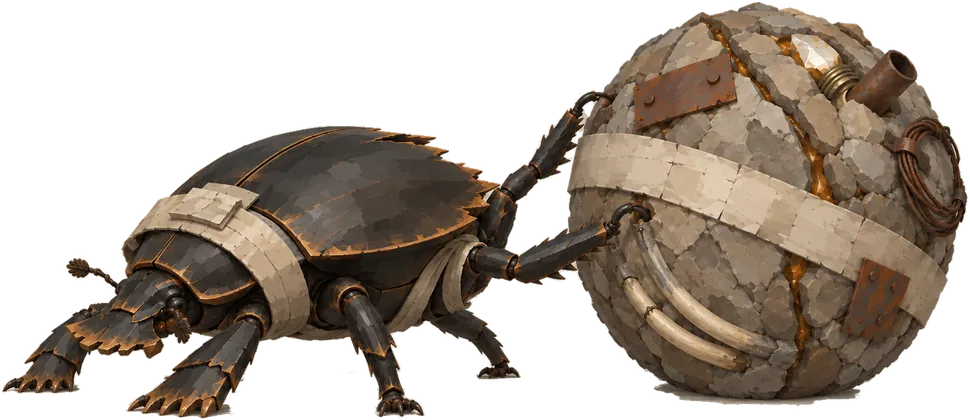
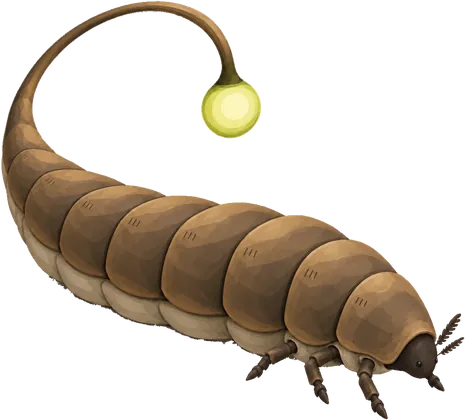
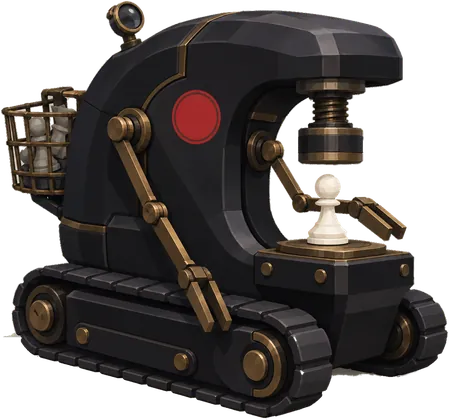
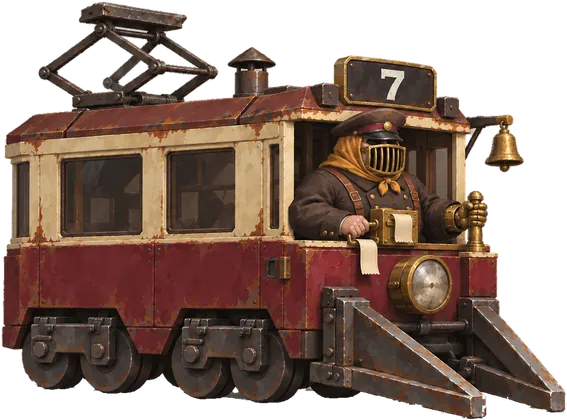
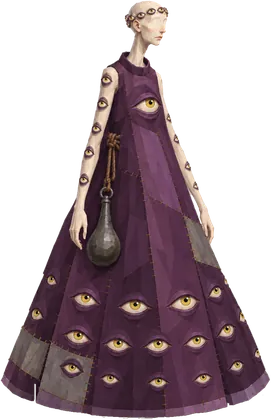
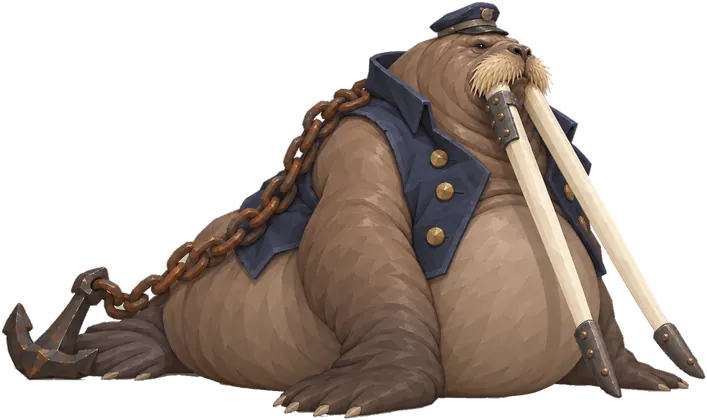
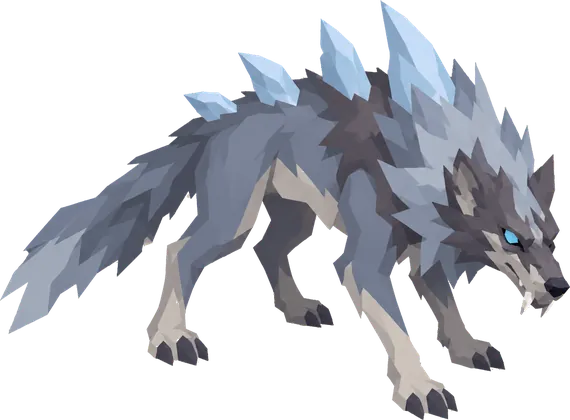
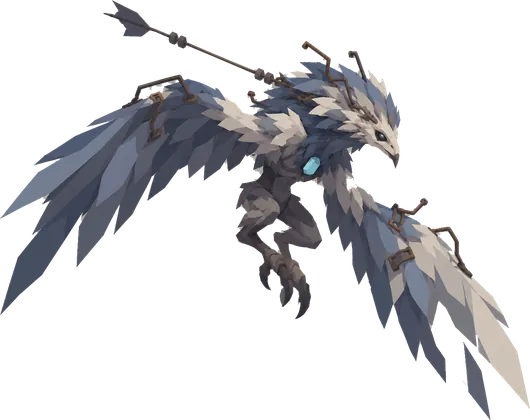
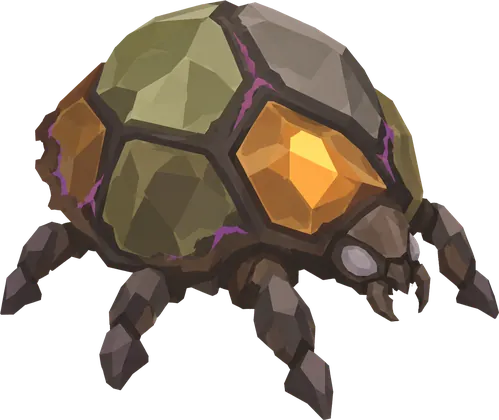
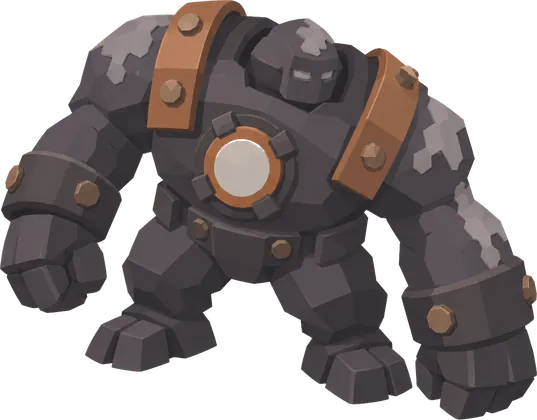
Mana is the light of Eru settled in living bodies: it is knocked out by blows, gathers in battle and bursts out as abilities. Statuses are what light does to a body. The mobs of a land are its people and beasts touched by the Haze, and the bosses are the former guardians of their peoples who still hold the shards of Eru
Ten lands
Every land has its own ground under the board, its own mobs, a guardian and a boss. The bosses of floors 10, 20 and 30 come from the three lands of their ten, floors 38 to 40 belong to the Lamp Room, and twenty more boards of other themes join the climb
-
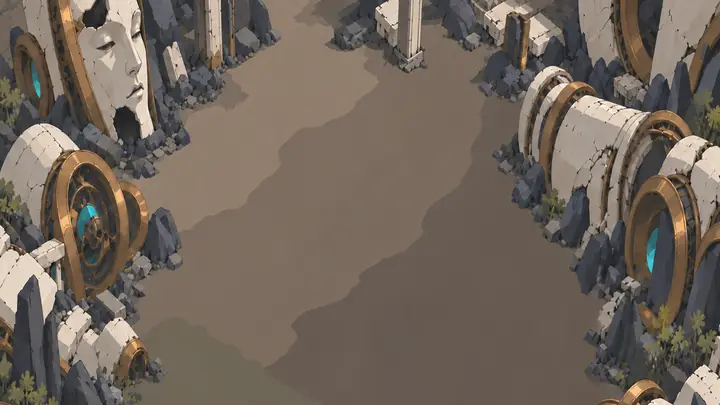 Floors 1 to 10The Great Damboss Tarvin, the Torn Sluice
-
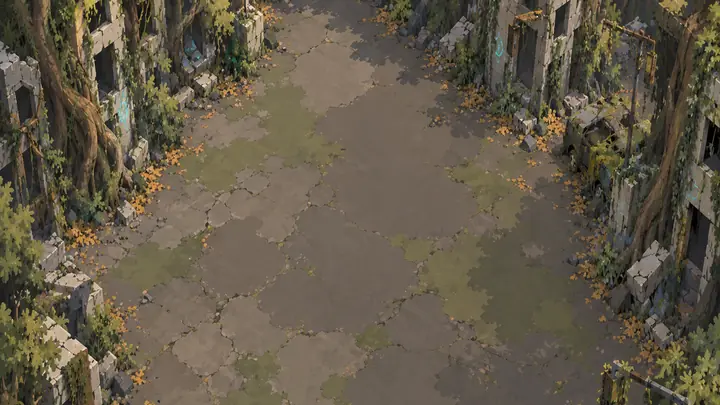 Floors 1 to 10Krongradboss Forefather Rootbreaker
-
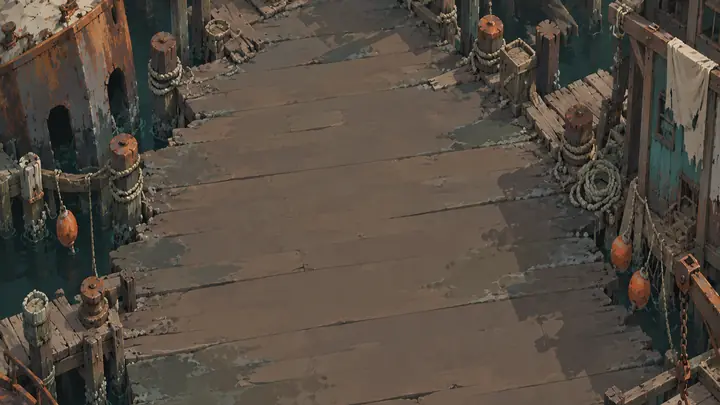 Floors 1 to 10The Sunken Portboss Captain Dead Calm
-
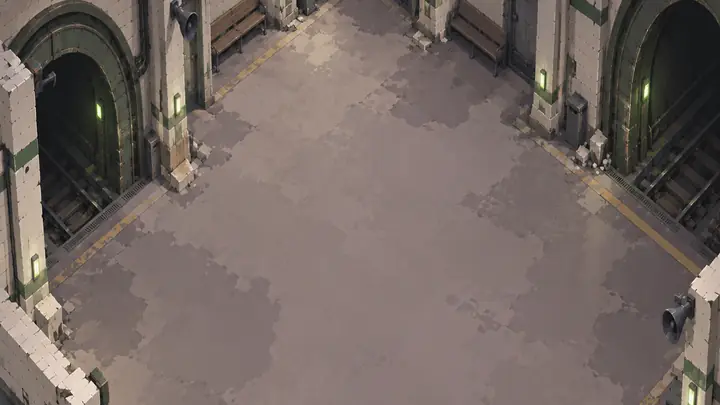 Floors 11 to 20The Blind Tunnelsboss the Matron of the Terminus
-
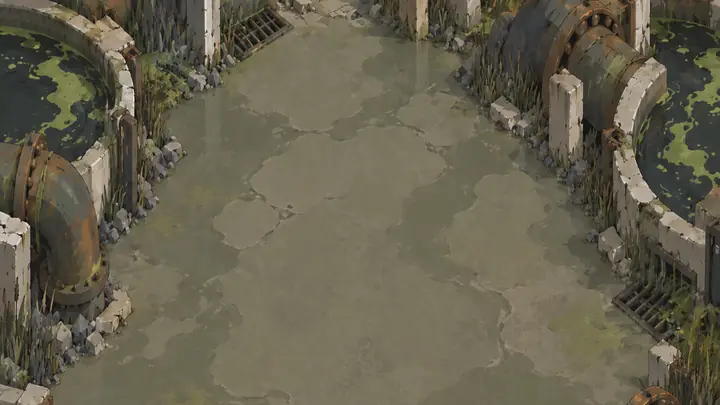 Floors 11 to 20The Settling Pondsboss the Mother of the Drains
-
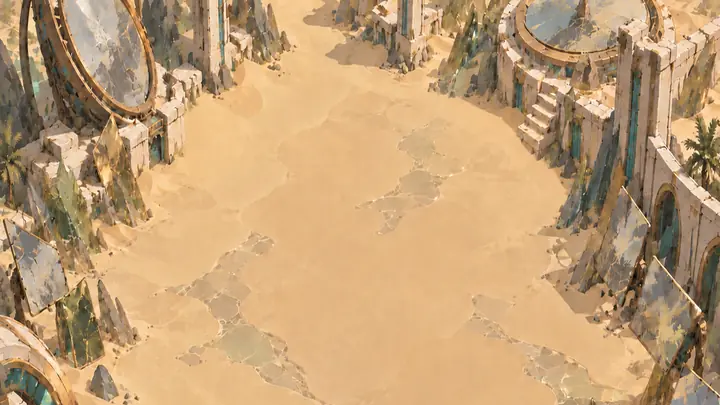 Floors 11 to 20The Glass Desertboss the Sphinx Without an Answer
-
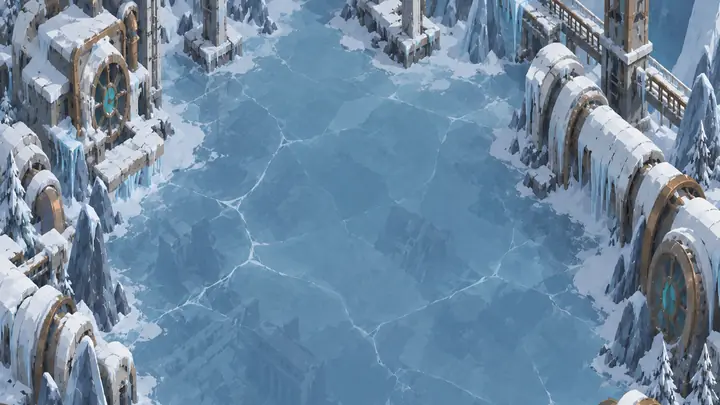 Floors 21 to 30The Ice Bowlboss the Snow Mother
-
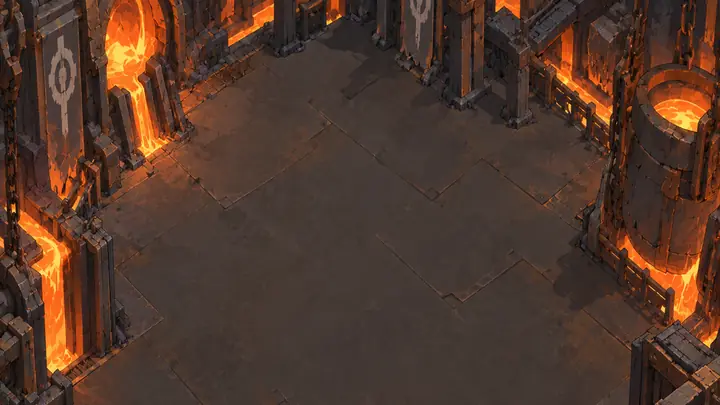 Floors 21 to 30The Furnaceboss Cast-Iron Head
-
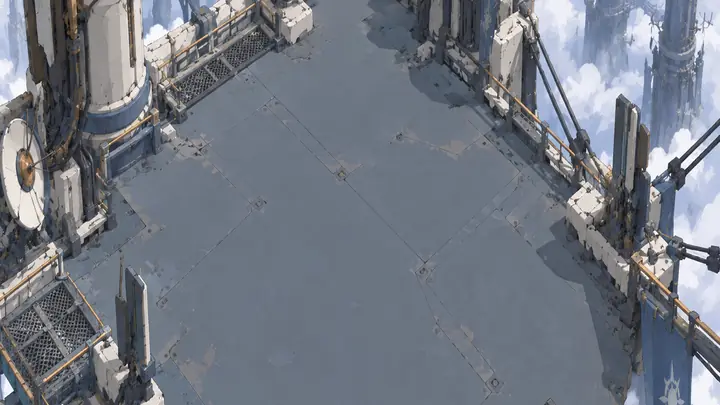 Floors 21 to 30The Mast Ridgeboss Great-Grandfather Thunder
-
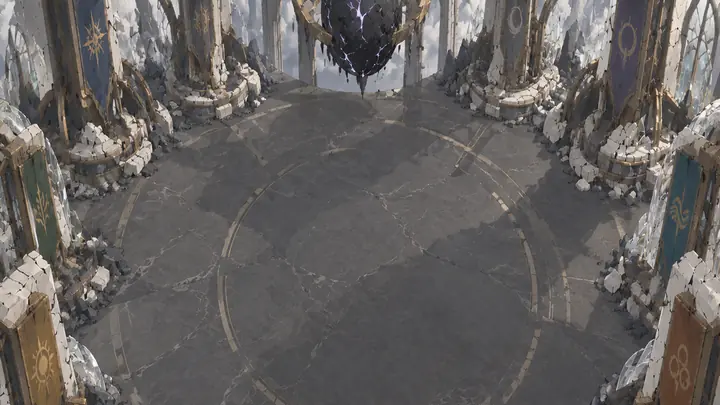 Floors 38 to 40The Lamp Room of the Spireboss the Empty Mirror
Sixteen synergies
Unique heroes of one people or one calling on the board count towards thresholds. The ten callings work at 2, 4 and 6 and are listed below. Each of the six peoples has its own synergy too, and it grows together with the people's heroes
-
 Dark Pact Warlocks
spell lifesteal for warlocks, then the squad, then faster damage over time -
 Battle Fervor Warriors
more damage, less damage taken, attacks cleave -
 Shadow Assassins
assassins leap to the farthest enemy, crit chance and crit damage, invisibility on kills -
 Resonance Mages
enemy magic resistance drops, mages gain spell power, at 6 the first ability casts twice -
 Workshop Engineers
stronger constructs, helper turrets, destroyed constructs explode -
 Spirit Voices Shamans
the strongest enemies are hexed at the start of the fight, at 6 shaman abilities silence -
 Light of Hope Healers
stronger healing and shields, cleansing, at 6 the first fallen ally rises -
 The Call Summoners
stronger summons, a Spirit for every summoner, at 6 a fallen summon returns as a copy -
 Volley Rangers
attack speed and range, at 6 every fourth shot pierces the line -
 Bastion Guardians
guardians take less damage, share it with neighbours, at 6 they absorb part of the damage dealt to allies next to them
Between runs
- The Lantern has 50 levels and gains experience for floors, bosses and victories. Every level gives a point for the Homestead, a tree of small starting bonuses
- Unlocks by schedule: items, perks, relics and lands open with Lantern levels and victories over bosses. The heroes of the new roster are open from the start
- 12 Filters change the starting rules of a climb: free shop refreshes, two components at the start, a legendary relic and more
- Thickening: 20 steps of difficulty that stack, from tougher mobs to a fourth phase of the Empty Mirror
- The Descent past floor 40, a daily run with a shared seed from Lantern level 5 and Sorties with quirks from level 20
- An archive with the lore of every hero, mob, item and land, and achievements
Where the game is now
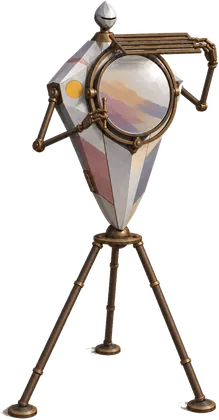
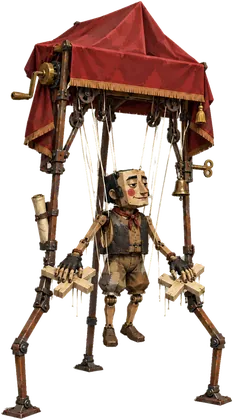
Erumaru is built in Godot 4.6 with C#. The battle simulation is a separate library without graphics that produces an event log the game replays. The endless climb with its economy and saves, the meta progression, 100 mobs of ten lands with bosses, 39 boards, 100 items, 90 perks, 86 relics and 28 events are in the game and are being balanced with thousands of simulated fights. The peoples are being reworked: 70 heroes of six new peoples already fight in the game, and new ones come one at a time. Mobs are animated from parts on skeletons and heroes frame by frame, all in the ceramic style